
"Ghimbi flavor profile"
93000 article(s) found

What are the main producing areas of Ethiopian coffee?
The Eastern Highlands of Ethiopia (Harerge province), which grows between 5000 and 7000 feet above sea level, was still wild on slopes a century ago. Raw beans are mostly medium size and long at both ends, with yellow or golden green color, strong chocolate smell when baking, wild taste with moderate acid and rich texture, very typical mocha flavor, good Hara with jasmine flowers.

Ethiopian Coffee Bean Flavor_Hara, Gemma, Kimbile Kempti, Lim
Harar is located in the Eastern Highlands of Ethiopia (Haredge Province) and grows at an altitude of 5,000 - 7,000 feet. It was still wild on the hillside a century ago. Most of the raw beans are medium in size and pointed at both ends. The color is green with yellow or gold. When roasted, there will be

Ethiopian Sunshine Sidama Coffee Flavor and Taste introduction to Sidamo producing area
Gima, which accounts for about 50 per cent of Ethiopia's annual output, grows between 4400 and 6000 feet above sea level in the country's southwestern highlands (the border between Kaffa and Illubabor provinces) and is usually exported to G5/G4. However, in recent years, about 10% or 20% of Gima has been used to make up for the lack of taste of coffee, but its quality has gradually declined to its own level, but for the purchase of

Ethiopian Yega Sheffield Coffee is Yega Sheffield Coffee good? Yega Sheffield Coffee Flavor
Professional coffee knowledge exchange more information about coffee beans Please follow the coffee workshop (official Wechat account cafe_style) is famous for its sweet taste and aroma, light and medium-bodied wine. Ethiopian Yirgacheffes is a spicy and fragrant coffee that is often rated as the best Arabica coffee in the world. Their high reputation also means that their prices are high, but even if

Introduction of Coffee Flavor description and Taste characteristics in Xidamo Chiso producing area of Ethiopia
Gima, which accounts for about 50 per cent of Ethiopia's annual output, grows between 4400 and 6000 feet above sea level in the country's southwestern highlands (the border between Kaffa and Illubabor provinces) and is usually exported to G5/G4. However, in recent years, about 10% or 20% of Gima has been used to make up for the lack of taste of coffee, but its quality has gradually declined to its own level, but for the purchase of

Latin American coffee beans specialty coffee origin
The Ethiopian plateau is the birthplace of coffee. In the east, near Harrar, the ancient capital, mocha beans (Harrar,Harari,Harer or Harar) are still produced by traditional drying methods at an altitude of about 2,000 meters above sea level. Halal's texture is medium, with a fruity, wine-like flavor, good Halal's wildness is comparable to the best Yemeni mocha. Dried beans from other regions
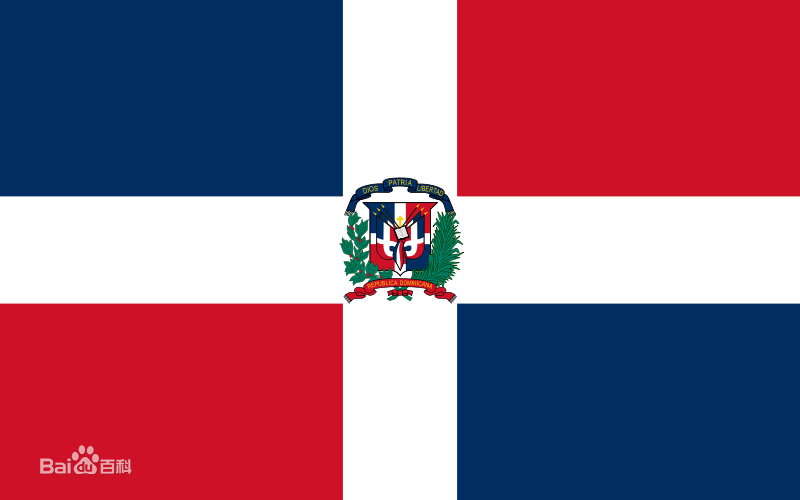
Dominican Coffee Bean Flavor Profile African Countries Dominican Coffee Flavor Profile Africa
Delicious, sweet, full-grain coffee The Dominican Republic shares a border with Haiti, which owns the island of Hispaniola. Like its neighbour, the Dominican Republic had a history of revolution and poverty, but now had democratic elections and relative stability. In the early 18th century, coffee began in Domi.
History of Coffee in Arab East Africa
[Ethiopia] the highlands of Ethiopia are the birthplace of coffee. The traditional drying method is still used to produce mocha-Hara beans (Harrar,Harari,Harer or Harar) at an altitude of about 2,000 meters near Harrar in the east. Hara has a medium texture and a fruit wine-like flavor, and a good Hara is as wild as the best Yemenmoka.

Ethiopian Coffee producing areas distribute Ethiopian Coffee beans stories Ethiopian Coffee
Professional coffee knowledge exchange more information on coffee beans Please follow the coffee workshop (Wechat official account cafe_style) Coffee first discovered that the Kafa continent in southern Ethiopia was located in the place name Kaffa, and it was not officially named after Coffee until the 18th century. The geographical environment of Ethiopia is very suitable for coffee growth. nowadays, coffee is mainly grown between 1100 meters and 2000 meters above sea level.

Distribution of Ethiopian Coffee production how to make good Coffee in Ethiopia
Professional coffee knowledge exchange more information on coffee beans Please follow the coffee workshop (Wechat official account cafe_style) Coffee first discovered that the Kafa continent in southern Ethiopia was located in the place name Kaffa, and it was not officially named after Coffee until the 18th century. The geographical environment of Ethiopia is very suitable for coffee growth. nowadays, coffee is mainly grown between 1100 meters and 2000 meters above sea level. Now

The Sidamo Coffee production area on the Ethiopian Plateau introduces boutique coffee.
Djimmah, which accounts for about 50 per cent of Ethiopia's annual output, grows between 4400 and 6000 feet above sea level in the country's southwestern highlands (the border between Kaffa and Illubabor provinces) and is usually exported to G5/G4. However, in recent years, about 10% or 20% of Gima has been used to make up for the lack of taste of coffee, but its quality has gradually declined to the water it should have.

Description of Coffee Flavor of Incht Manor in Guatemala introduction to the grinding degree of varieties in producing areas
1. Acatenango Valley: the Acatenango Valley is 2000 meters (6500 feet) above sea level, with dense shade and unique ecology. Nearby Fuego volcanoes continue to erupt, making its coarse, sandy soil rich in a variety of minerals. Temperate sea breezes from the Pacific and a seasonal climate make this production.

Characteristics of coffee from eight major producing areas in Guatemala Guatemala coffee beans
Eight major coffee producing areas in Guatemala. Acatenango Valley?: the Acatenango Valley valley is 2000 meters (6500 feet) above sea level, with dense shade and unique ecology. Nearby Fuego volcanoes continue to erupt, making its coarse, sandy soil rich in a variety of minerals. Temperate sea breezes from the Pacific and seasonal

Eight major coffee producing areas in Guatemala introduce the treatment methods of fine coffee.
Eight major coffee producing areas in Guatemala. Acatenango Valley: the Acatenango Valley is 2000 meters (6500 feet) above sea level, with dense shade and unique ecology. Nearby Fuego volcanoes continue to erupt, making its coarse, sandy soil rich in a variety of minerals. Temperate sea breezes from the Pacific and seasons

Introduction to the Origin of Fine Coffee beans in the volcanic Coffee producing areas of Africa Bean Guatemala
1. Acatenango Valley: the Acatenango Valley is 2000 meters (6500 feet) above sea level, with dense shade and unique ecology. Nearby Fuego volcanoes continue to erupt, making its coarse, sandy soil rich in a variety of minerals. Temperate sea breezes from the Pacific and a seasonal climate make this production.

Guatemala Antigua coffee Guatemala Antigua coffee beans Guatemala coffee bean producing areas
Eight major coffee producing areas in Guatemala. Acatenango Valley?: the Acatenango Valley valley is 2000 meters (6500 feet) above sea level, with dense shade and unique ecology. Nearby Fuego volcanoes continue to erupt, making its coarse, sandy soil rich in a variety of minerals. Temperate sea breezes from the Pacific and seasons
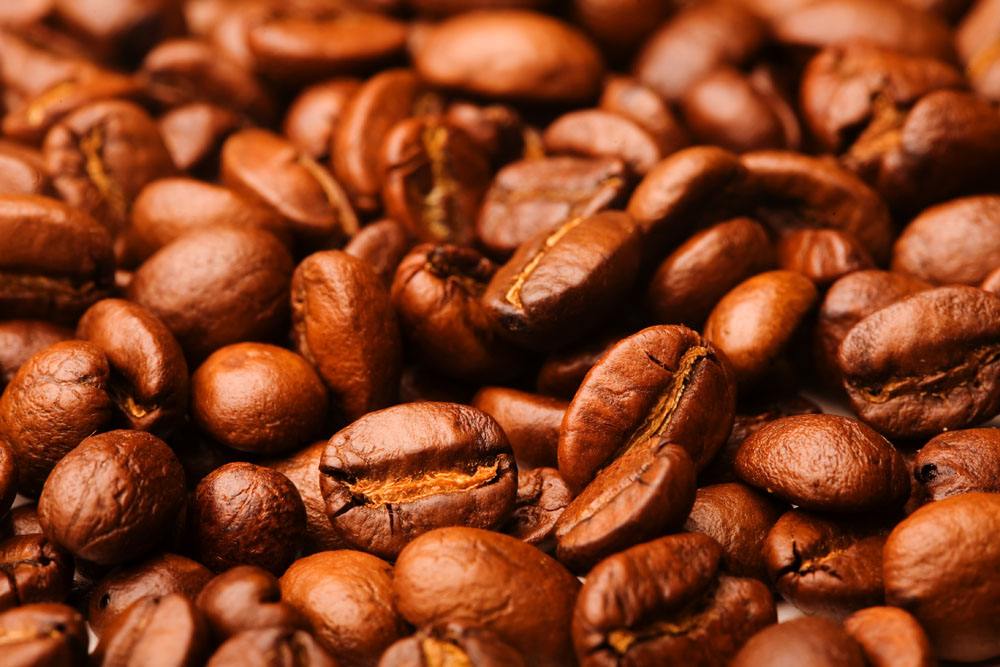
What is the altitude of Guatemala coffee beans and what are the coffee bean producing areas in Guatemala?
Guatemala Coffee beans altitude Guatemala Vivetna Fruit (Guatemala Huehuetenango): in Guatemala, it is famous for producing high quality beans, which is the highest altitude and dry climate in the coffee cultivation area of the country. Located in a rare non-volcanic area in China and the United States, the mountains are potholed and the terrain is very dangerous. Although it is nearly 2000 meters above sea level,

An introduction to the flavor and taste of the pleasant-scented Guatemalan coffee manor
Rainforest Rainforest Cobn: it is cloudy, rainy and cool all the year round. The vast majority of Koban coffee in the rainforest is grown in the obviously undulating and foggy mountains of the region and is deeply influenced by limestone and clay in the Atlantic basin. Koban has two seasons: the rainy season and the rainy season. Rainforest Coban Cup Test feature (Rainforest Cobn cup profile) Rainforest Cobn

Variable pressure! Pressure curve Pressure Profiling of pressure swing extraction of espresso
For the exchange of professional baristas, please pay attention to the coffee workshop (Wechat official account cafe_style) Pressure Profiling, or Pressure Profile (s) (pressure curve), which was invented with the progress of Italian coffee machine manufacturing technology. it is the result of baristas breaking through the traditional extraction method and introducing new controllable variants, and is also the result of the new generation's pursuit of the third wave of coffee production.
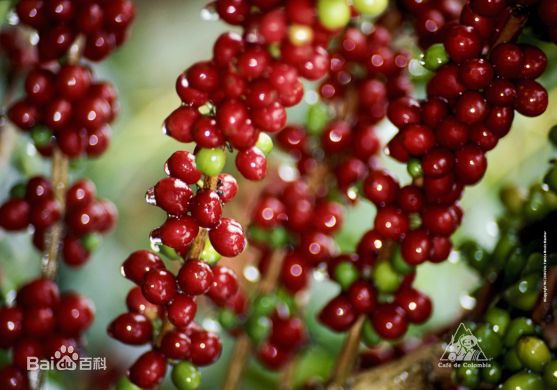
90 + Ethiopia, Wellega (Waliga) and Sidama (Hidamo) producing areas
Ninety Plus Nekisse N2 L12 Ethiopia, amazing peach flavor! June Ma / November 20, 2013 Nekisse N2 L12 Ethiopia Nekisse N2 Taste Profile Nekisse N2 Taste Profile name: in 2009, this coffee was named after Nectar from Shakisso, meaning that this coffee looks like it came from Ethiopia.